Anyone who has been drunk is familiar with common alcohol effects on your eyes, like blurred or double vision. While these are well-known, alcohol can cause many other risks and effects that go beyond these temporary issues. Some of these effects are poor night vision, dry eyes, optic neuropathy, and many more.
How Alcohol Affects Your Eyes
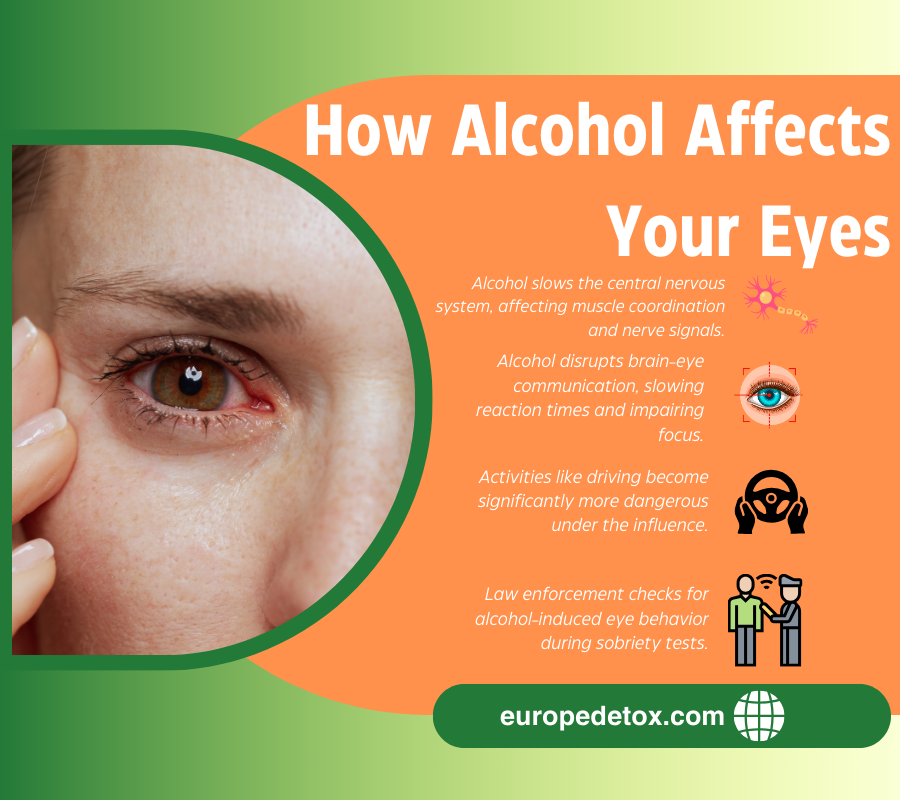
Alcohol slows down the central nervous system, affecting your muscle coordination and nerve signals. This worsens vision problems like poor depth perception and reduced peripheral vision, making activities like driving more dangerous.
During sobriety tests, law enforcement often looks for changes in eye behavior caused by alcohol, as these are clear indicators of impairment. Fortunately, once the effects of alcohol wear off, normal vision typically returns.
For how long do alcohol effects last in your eyes?
Alcohol’s effects on your eyes, like blurred vision and difficulty focusing, usually last a few hours and fade as your body processes the alcohol. However, heavy or frequent drinking can lead to longer-lasting issues, which are detailed in the short-term and long-term effects:
- Blurred Vision: Alcohol can impair the brain’s ability to process visual information, leading to temporary blurred or double vision.
- Dilated Pupils: Drinking can cause pupils to dilate, making it harder for your eyes to adjust to bright or dim lighting.
- Eye Twitching (Myokymia): High alcohol intake may lead to temporary eye muscle spasms, causing twitching.
- Decreased Peripheral Vision: Alcohol slows reaction times and affects the field of vision, contributing to “tunnel vision.”
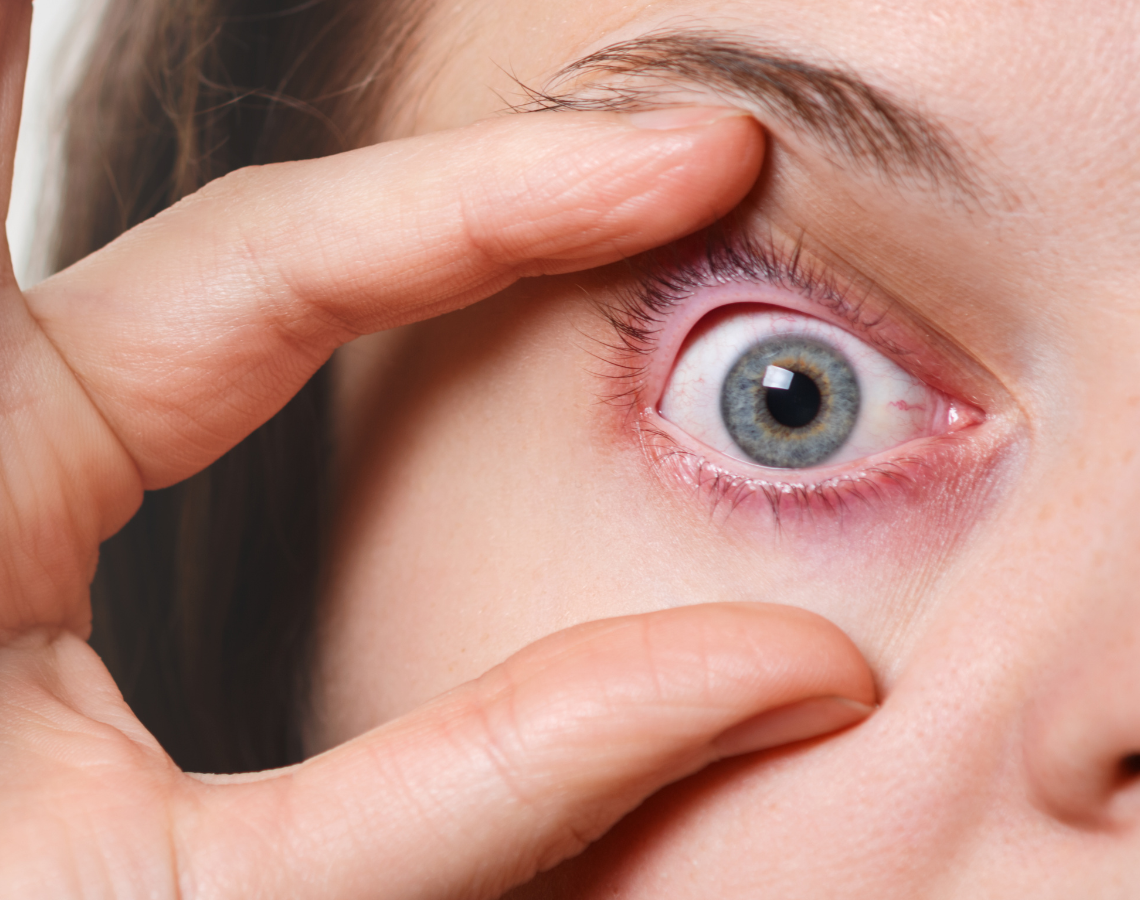
- Red or Bloodshot Eyes: Alcohol causes blood vessels to expand (vasodilation), making them more visible and giving the eyes a bloodshot appearance.
- Dry Eyes: Chronic alcohol use can dehydrate the body, including the eyes, leading to discomfort, irritation, and dryness.
- Optic Neuropathy: Prolonged heavy drinking can damage the optic nerve, leading to vision loss or even blindness, often referred to as alcoholic optic neuropathy.
- Increased Risk of Cataracts: Long-term excessive drinking may accelerate the formation of cataracts, clouding the lens and impairing vision.
- Macular Degeneration: Alcohol abuse can increase the risk of age-related macular degeneration (AMD), which affects central vision.
- Poor Night Vision: Alcohol reduces the eyes ability to adapt to darkness, making night vision weaker over time.
How Alcohol Causes Eye-Related Issues
Alcohol affects the eyes through multiple mechanisms, some of which may not be immediately apparent. One major factor is alcohol’s ability to alter blood flow to the eyes. The expansion of blood vessels (vasodilation) caused by drinking not only contributes to redness but can also reduce oxygen supply to critical eye structures, affecting their function. Besides these effects, alcohol can also disrupt the production of tears, leading to dry eyes and irritation.
What Determines How Alcohol Affects You?
Long Term Alcohol Consumers
People who drink heavily for years are at the highest risk of developing long-term eye problems. Long-term alcohol consumption can disrupt the body’s ability to absorb important nutrients, such as vitamin A. This vitamin plays a vital role in keeping your vision healthy and preventing issues like night blindness.
When alcohol interferes with the absorption of such nutrients, it can lead to deficiencies that, over time, harm the eyes. Combined with the toxic effects of alcohol, these deficiencies may cause gradual damage to the retina and optic nerve, eventually resulting in permanent vision problems.
How Early Detection Can Protect Your Vision
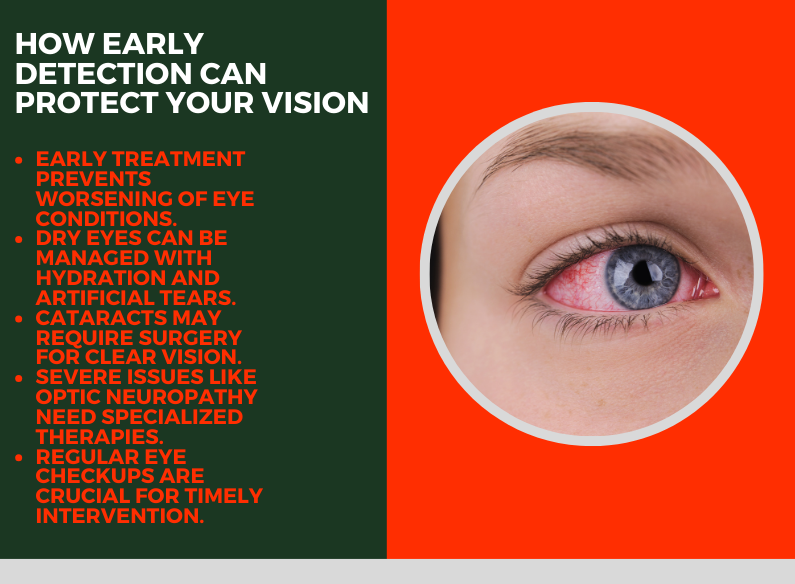
If alcohol impacted your eye health, you should start the treatment as early as possible. Catching these symptoms early allows doctors to treat reversible conditions before they worsen.
For example, dry eyes can be managed with artificial tears and hydration, while cataracts may require surgery to restore clear vision.
For more severe issues, such as optic neuropathy or macular degeneration, medical interventions like specialized therapies or medications would be necessary.
When to See a Doctor for Alcohol-Related Eye Symptoms
Noticing strange and long-term eye effects after using alcohol could lead to much worse concerns. Speak to an ophthalmologist if you experience:
- Persistent blurry or double vision
- Changes in how you perceive colors
- Increased sensitivity to light
- Frequent headaches or migraines that affect your vision
- Severe redness or irritation that doesn’t go away
- Sudden difficulty seeing at night or adapting to darkness
Conclusion
Alcohol’s effects on the eyes can range from temporary issues like blurred vision to more serious, long-term conditions such as optic neuropathy and macular degeneration. Protecting your vision requires reducing alcohol consumption, addressing symptoms early, and scheduling regular eye exams.
If you’re struggling to stop drinking, schedule a free consultation with our medical consultant.
Related Article: What Type of Anemia Does Alcoholism Cause? | Is Non Alcoholic Beer Bad for Your Liver?
Frequently Asked Questions
Yes, heavy or long-term drinking can lead to permanent eye damage, such as optic neuropathy, macular degeneration, or cataracts.
Alcohol reduces the ability of the eyes to adapt to darkness, leading to poor night vision. This makes activities like driving at night particularly dangerous.
Yes, alcohol can worsen existing conditions like cataracts. It can also interfere with medications used to manage these issues.
Yes, a nutrient-rich diet, especially one high in vitamin A and antioxidants, can support eye health and help repair some damage caused by alcohol.