A borderline alcoholic is a person who shows signs of problematic drinking but may not meet the full criteria for alcohol dependency. This often includes drinking more frequently than intended, relying on alcohol to cope with emotions, or feeling uneasy when not drinking.
This post explores what it means to be a borderline alcoholic, the signs to watch for, and what steps you can take to regain control.
Borderline Alcoholic Meaning

A borderline alcoholic is someone who regularly drinks with limited control, showing risky or dependent behavior, but not reaching the level of full alcoholism. It’s the middle stage between casual drinking and full-blown alcoholism, showing signs of dependency but not yet meeting the criteria for severe alcohol use disorder.
Signs of Borderline Alcoholism
Although a borderline alcoholic may not display full-blown alcoholism in the early stages, they often develop patterns that lead from being buzzed to getting drunk, such as:
- Increased Frequency and Volume of Drinking
Regular drinking sessions that start occurring more frequently or involve consuming larger quantities of alcohol than before. - Neglecting Responsibilities
Ignoring work, school, or family obligations due to alcohol consumption or hangovers. - Emotional Dependence on Alcohol
Relying on alcohol to cope with stress, anxiety, or emotional challenges. - Inability to Limit Intake
Struggling to stick to planned limits or finding it difficult to stop drinking once started. - Risky Behaviors
Engaging in activities like drunk driving, risky social behaviors, or unsafe physical activities while under the influence. - Withdrawal Symptoms
Experiencing mild withdrawal symptoms like irritability, restlessness, or anxiety when not drinking. - Preoccupation with Alcohol
Constantly thinking about drinking or planning social events around alcohol. - Changes in Relationships
Conflicts or strained relationships with friends, family, or coworkers due to alcohol-related behaviors.
Common Causes
Borderline alcoholism is influenced by a combination of biological, environmental, and psychological factors that together create a predisposition for risky drinking behaviors.
Environmental Factors
- Stress and Trauma: People exposed to chronic stress or traumatic experiences may turn to alcohol for temporary relief.
- Peer Pressure: Social environments that encourage heavy drinking can make it harder to resist alcohol or recognize when drinking becomes problematic.
Psychological Influences
- Coping Mechanisms: Individuals with poor emotional regulation or difficulty handling stress may use alcohol as a coping strategy.
- Mental Health Issues: Conditions such as anxiety, depression, or ADHD often co-occur with borderline alcoholism as alcohol is used to manage symptoms.
Genetics
- Family history plays a significant role. If close relatives have struggled with alcohol dependence, it may indicate a genetic susceptibility.
- Variations in genes related to dopamine and serotonin systems can affect how individuals respond to alcohol, potentially increasing their risk.
Brain Chemistry
- Imbalances in brain chemicals, such as low levels of dopamine or serotonin, may lead to using alcohol as a way to self-medicate or enhance mood.
What’s the Difference Between Borderline Alcoholic and Regular Alcoholic
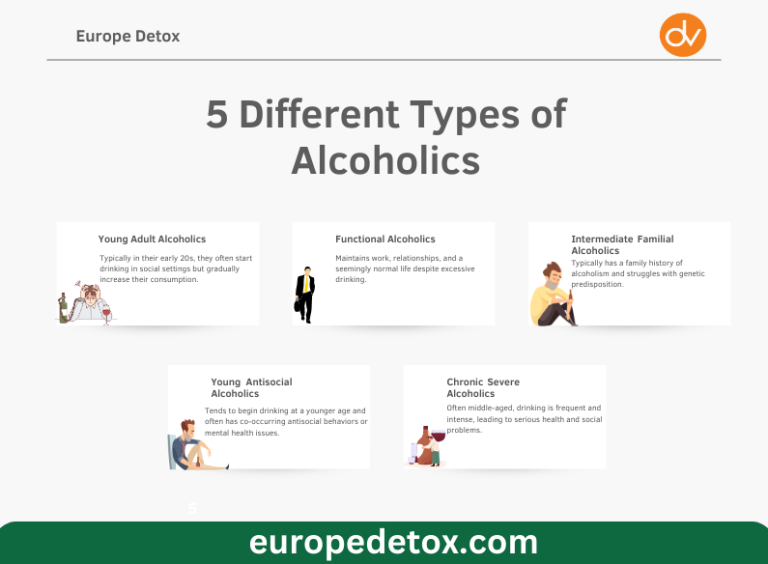
For a deeper understanding of the various types of alcoholics and their characteristics, read our Five Different Types of Alcoholics article.
How to Self-Identify as a Borderline Alcoholic
Evaluate Frequency and Volume
Ask yourself how often you drink and whether you frequently consume more than you initially intended.
Notice Emotional Dependence
Do you rely on alcohol to manage stress, anxiety, or other emotions? Turning to alcohol as a coping mechanism is a warning sign.
Recognize Impacts on Daily Life
Assess whether drinking has caused you to neglect responsibilities, experience strained relationships, or compromise your work or school performance.
Monitor for Warning Behaviors
Do you struggle to limit your intake, experience mild withdrawal symptoms, or engage in risky activities while under the influence?
Preoccupation with Alcohol
Consider if alcohol has become a focus of your thoughts or if you plan social events around drinking.
Why Borderline Alcoholism Should Be Addressed Early
Four out of ten individuals who have consulted with our medical advisers for alcohol-related issues are frequently classified as borderline alcoholics. Even while they might not be completely dependent, their drinking habits show a high risk, which emphasizes how crucial early intervention is to halting the development of serious addiction.
Frequently Asked Questions
Treatment is often beneficial to break the pattern of risky drinking. Options include counseling, support groups, lifestyle changes, and therapy to address underlying causes.
Yes, if left unaddressed, borderline alcoholism can escalate to alcohol dependency or Alcohol Use Disorder (AUD). Early intervention is critical to prevent progression.
Ask yourself if you rely on alcohol to manage emotions, struggle to limit drinking, or notice negative impacts on your relationships or responsibilities. Consulting a healthcare professional can provide clarity.
While some individuals succeed with self-help strategies like setting strict limits or developing healthier coping mechanisms, professional guidance often ensures a more effective and sustainable recovery.